



International News
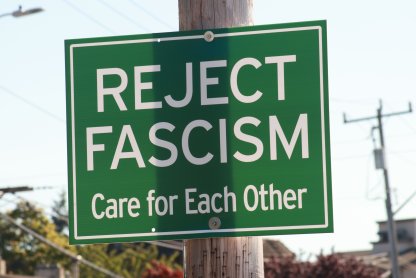
Anti-Fascist Marches in Germany Target RIiht Wing Conference
On Saturday, tens of thousands of anti-fascist demonstrators from across Germany converged on the city of Erfurt to...

Left Labour journal Tribune says that gay health secretary Wes Streeting, already regarded as a transphobe for his actions in restricting trans+ health care, is heading for confrontation with doctors.
In an extraordinary escalation ahead of a six-day strike by resident doctors, Labour leader Sir Keir Starmer and Health Secretary Wes Streeting issued a stark ultimatum to the British Medical Association (BMA): call off the walkout or lose 1,000 promised new training posts. The BMA rejected the demand, and the government has now confirmed the posts will not be created. The industrial action is set to begin this Tuesday.
Training posts are a fundamental component of a doctor’s career in the NHS. After completing a medical degree, doctors must secure these posts to continue working and to progress into specialist and consultant roles. They are not merely optional training opportunities but essential, real jobs required for career advancement within a system built on continual learning.
The NHS suffers from a chronic shortage of these posts, creating a bottleneck that exacerbates wider staffing crises. Currently, there are almost 10% fewer training posts available than the total number of medical graduates, leaving hundreds of newly qualified doctors without a job each year.
This shortage exists alongside a dire overall staffing deficit. The health service has over 100,000 vacancies, a rate of nearly 7%. This includes a shortfall of 4,200 GPs and an estimated 40,000 fewer hospital doctors per capita than the EU average. These shortages are the primary driver of treatment backlogs, long accident and emergency waits, staff burnout, and increased risks to patient safety.
The crisis in training has long-term consequences. The Royal College of Physicians reports that six in ten NHS departments have at least one consultant vacancy. Without sufficient junior training posts today, there will be a critical shortage of senior clinicians in the future.
While the dispute has been widely framed around pay restoration—with resident doctors’ real-terms income still below 2008 levels—their demands also target systemic failures in NHS workforce planning and the resulting retention crisis. The government’s offer to create 1,000 new training posts was part of a proposed resolution, but even this plan was flawed.
Mr Streeting’s now-scrapped proposal involved converting 1,000 existing Locally Employed Doctor (LED) roles into training posts, effectively reshuffling positions without increasing the total number of practising doctors. Though limited, it at least acknowledged the staffing problem at the heart of the NHS's troubles.
The government’s decision to withdraw these posts as a negotiating tactic marks a significant shift. After a year of warning that strikes would harm patients, ministers are now prepared to inflict that harm directly by scrapping a policy meant to address a core staffing shortage. Using the promise of vital medical posts as leverage is an attack not only on the doctors and their union but on the NHS itself and the public it serves.
This move represents a deliberate mismanagement of the health service’s future, leveraging its performance against the BMA in a current dispute. It is a reckless strategy that undermines any serious effort to fix the NHS and must not be allowed to succeed.

There has been more bad news for the rich and powerful owners of the GB News Channel, a rogue network in the UK which, unlike other broadcasters, makes little attempt at rational discourse and instead winds its viewers up about the supposed threats...
On Saturday, tens of thousands of anti-fascist demonstrators from across Germany converged on the city of Erfurt to...

The Peter Tatchell Human Rights Fund, together with other LGBTQIA human rights groups, is planning on protesting at the...