Philadelphia Gay News this week looks at housing options for LGBTQIA senior citizens.
In 2013, Elizabeth Coffey Williams relocated to the Philadelphia region, returning to the East Coast following a divorce and an unplanned departure from the Midwest. The 78-year-old described losing nearly everything she owned, including her home. She temporarily lived with relatives in Delaware County but became part of the nearly 20% of older Americans without secure housing—the fastest expanding demographic within the nation’s homeless population.
Statewide Efforts and Unmet Needs
This crisis has drawn attention in Pennsylvania. Governor Josh Shapiro recently unveiled the Pennsylvania Housing Action Plan, aiming to tackle housing difficulties across the state, particularly for marginalised groups such as older adults. However, the majority of conventional senior housing programmes fail to accommodate the specific requirements of one especially vulnerable community: LGBTQ+ older people.
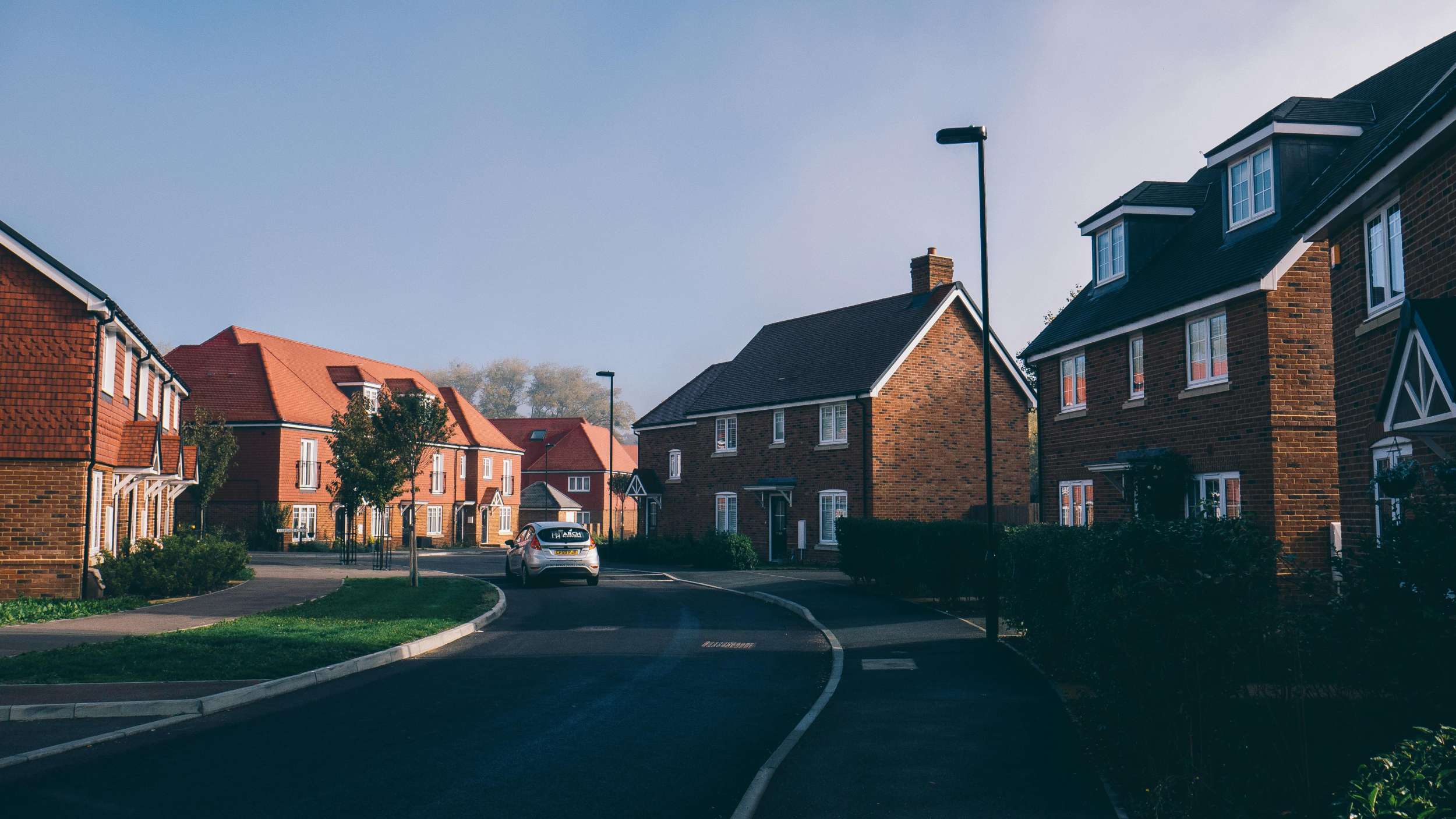
This gap in provision led to the establishment of the John C. Anderson Apartments (JCAA), which opened in Philadelphia’s Gayborhood in 2014. The award-winning complex now provides 62 LGBTQ+-friendly housing units for older adults, with monthly rents between $600 and $900—well below the local average. A lengthy waiting list underscores the high demand for these homes.
More Than Four Walls
For many residents, however, JCAA offers far more than accommodation. Williams described it as a gateway to opportunity, visibility and, crucially, a sense of belonging. She noted that the building itself is merely a physical structure, but the community within it is exceptionally meaningful for people who would otherwise face loneliness and, frequently, housing and food insecurity.
A Generational Challenge
Research from the Williams Institute at UCLA reveals that roughly 20% of LGBTQ+ older adults in the United States live below the poverty line—five percentage points higher than their straight and cisgender peers. Around a quarter live alone, compared to 15% of non-LGBTQ+ Americans. Nearly one-third of this group experiences anxiety, and almost as many suffer from depression, yet approximately one in six struggle to obtain mental health support—a rate almost double that of straight and cisgender individuals.
Disparities are even starker among LGBTQ+ people of colour, who are more likely than white LGBTQ+ individuals to report food insecurity, difficulty covering household costs, and renting rather than owning their home. Overall, only about half of LGBTQ+ people own a home, compared to 70% of straight, cisgender Americans.
Root Causes of Disadvantage
Dr Ilan Meyer, a distinguished scholar at the Williams Institute and professor emeritus at Columbia University, explained that the disadvantages faced by LGBTQ+ seniors primarily stem from the stigma and discrimination they have encountered throughout their lives. Family rejection, even decades ago, and obstacles to forming stable relationships have meant that LGBTQ+ individuals are less likely to be partnered or, particularly for men, to have children. As a result, they often lack support from their original families or offspring, which are the primary sources of assistance for older adults in the general population.
Mark Segal, publisher of the Philadelphia Gay News and president of the Dr Magnus Hirschfeld Fund—a key supporter of JCAA—added that systemic homophobia and transphobia frequently excluded LGBTQ+ people from careers that offer long-term financial security, such as those providing 401(k)s and pensions. He emphasised that family and finances are crucial for all seniors, but the LGBTQ+ senior population is often left without these two essential pillars of support.
For the full article and exploration, visit Philadelphia Gay News: https://epgn.com/2026/05/01/amid-a-housing-crisis-lgbtq-seniors-reconnect-to-community/