
Politics and Legal Rights
West Midlands Police Issues Formal Apology
West Midlands Police has issued a formal apology for the historic mistreatment of LGBT+ people, marking what...
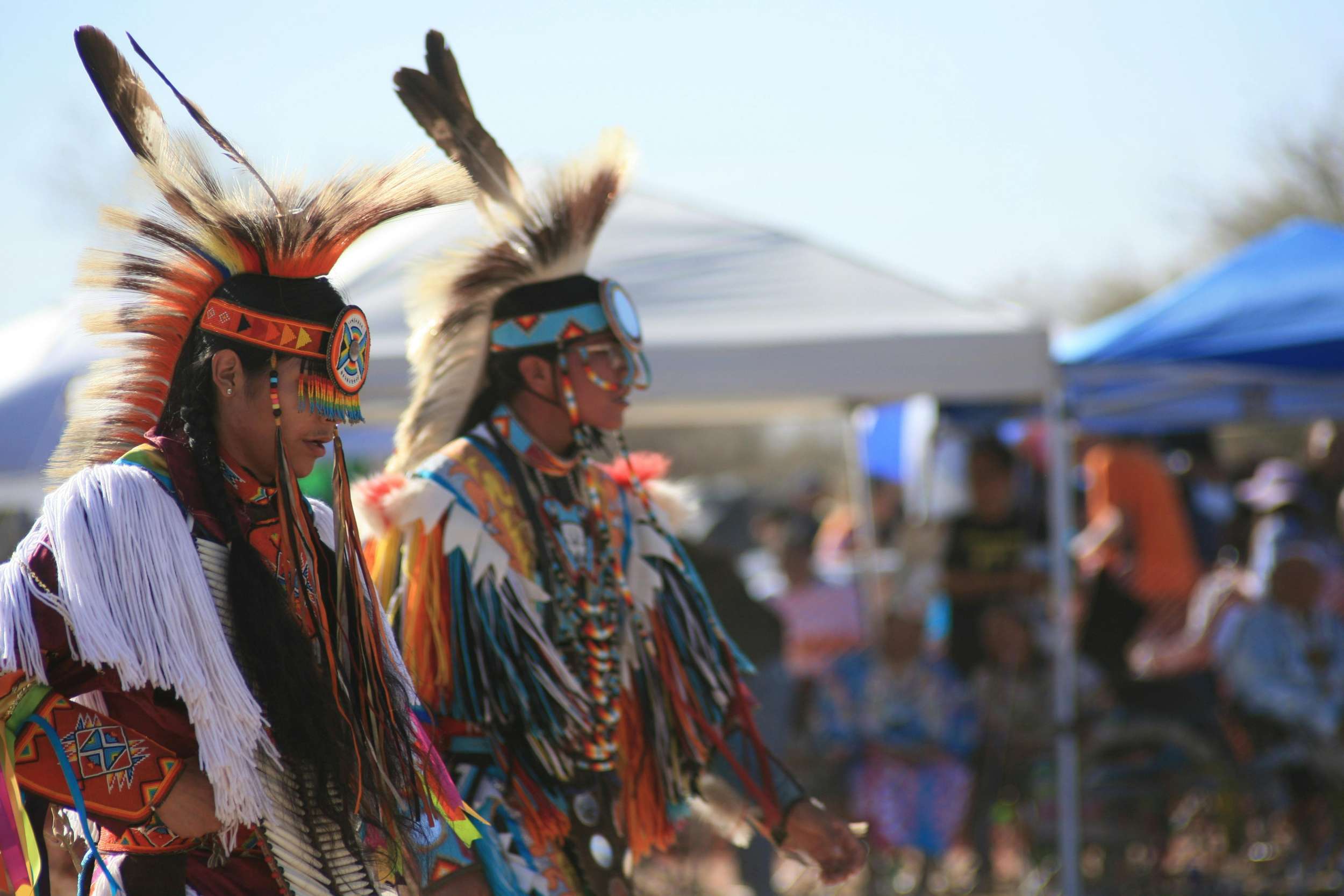
LGBTQ Nation reports on the founder of a native American Two Spirit group.
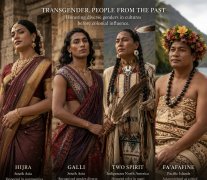
Growing up as one of 10,000 members of the Ojibwe tribe on the Leech Lake Reservation in north-central Minnesota, Dahl-Wooley learned from an early age about the traditional role of Two-Spirit people. His grandmother and cultural educators described them as individuals who carry both masculine and feminine spirits, revered as beautiful, powerful, and sacred spiritual figures who acted as respected teachers and healers, often bestowing names upon other members of the tribe.
“Living on a reservation, it’s kind of like you’re living in two different worlds,” he explained to LGBTQ Nation. “There’s a lot of native language, our native businesses, we still have powwows and ceremonies, we also still do cultivate the land and live off the land: do our hunting and fishing and gathering of nuts and berries and medicines. This was just something that was just standard life – we all lived that way.”
He recalled how elders would visit Native American classes to teach beadwork, language, and the use of medicinal plants for ceremonies and healing. “For us to learn who we are… to make sure we never forgot that,” he added.
Dahl-Wooley identifies as both a Two-Spirit person and a Native American gay man. He emphasises that the Two-Spirit identity has existed for thousands of years across hundreds of tribes throughout the continent. However, despite efforts by tribes to preserve their cultural traditions, he notes that colonisation led some Native Americans and colonial descendants to mock Two-Spirit people as “weak,” “abominations,” or “sinners” – labels he firmly rejects.
He embraces his Two-Spirit identity in all aspects of his life, just as he does his roles as a son, brother, father, and uncle. “I offer tobacco, and I say a prayer,” he said. “I have a little hand drum, and I’m learning my songs, and I dance at powwows.” These gatherings, which welcome non-Native people, are vibrant celebrations where tribe members socialise in colourful regalia and share traditional foods, songs, dances, and drumming.
In 2006, Dahl-Wooley noticed a significant gap in online and community resources about Two-Spirit identity. He began giving lectures and distributing educational materials from his truck under the name Two-Spirit Advocacy. Around eighteen months ago, he opened a permanent community centre in Bemidji, Minnesota. The centre regularly hosts cultural ceremonies, educational talks, game and movie nights, queer tea events, snacks, dinners, family arts and crafts sessions, support groups, and resources for suicide prevention, anti-bullying, and cultural inclusion.
“It’s very important for a destination for people to come over and be your true genuine self… [that] you can call that home,” he said. “We need spaces. No more seclusion, no more whispers in the background about who we are… Now we have a destination to go to.”
He added that when he first started speaking publicly, his phone rang constantly with questions about the Two-Spirit population. “Now, [we have] a place where we do culturally safe care for women, children, and families through their wellness journey.”
His organisation is part of a rising number of Two-Spirit groups across the United States, including the national Two Spirit & Native LGBTQ+ Center for Equity, the Bay Area American Indian Two-Spirits, the Michigan Two Spirit & Indigiqueer Coalition, and Two-Spirit Societies in cities such as Los Angeles, Dallas, Denver, Portland, Oklahoma City, Wichita, Missoula, and elsewhere.
Dahl-Wooley feels encouraged by the growth of these organisations and the increased visibility of queer Native American figures in public life. He points to lesbian Congresswoman Sharice Davids (D-KS), the comedic teen drama *Reservation Dogs*, and actress Lily Gladstone, who became the first Native American nominee for Best Actress for her role in the 2024 drama *Killers of the Flower Moon*.
“I think we’ve had enough,” Dahl-Wooley said. “We’ve been repressed, oppressed, forcibly moved into certain areas, and then when we’re there, you try to take it back or not recognising the violence that has been perpetually pushed upon us over and over and over, and also not recognising how we got here in the first place.”
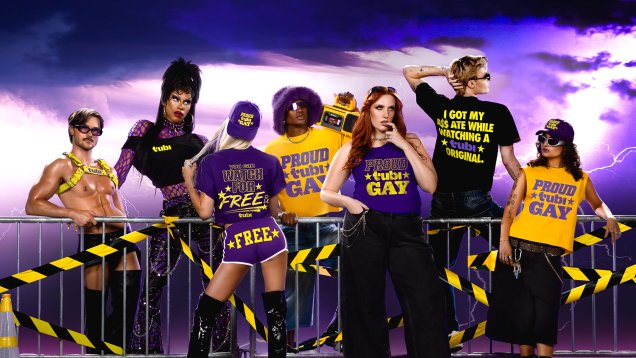
Streaming service Tubi celebrated Pride Month with a free merchandise drop that went viral — featuring slogan T-shirts, a jockstrap and a bright yellow harness — and sold out within hours. Then a second batch sold out again almost immediately.The...
West Midlands Police has issued a formal apology for the historic mistreatment of LGBT+ people, marking what...
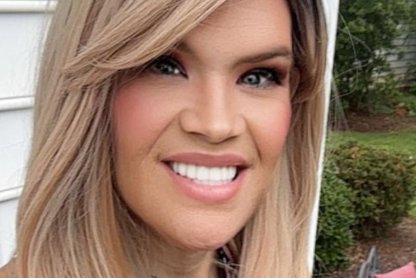
Pioneering intersex activist Juleigh Mayfield has died at the age of 51. She passed away on Saturday 20th June after a...