


Entertainment and Pop Culture
Barry Manilow Hits 83
Kingston Hospital Radio based at the NHS for Kingston Upon Thames in Surrey, has reminded us all that Barry Manilow,...
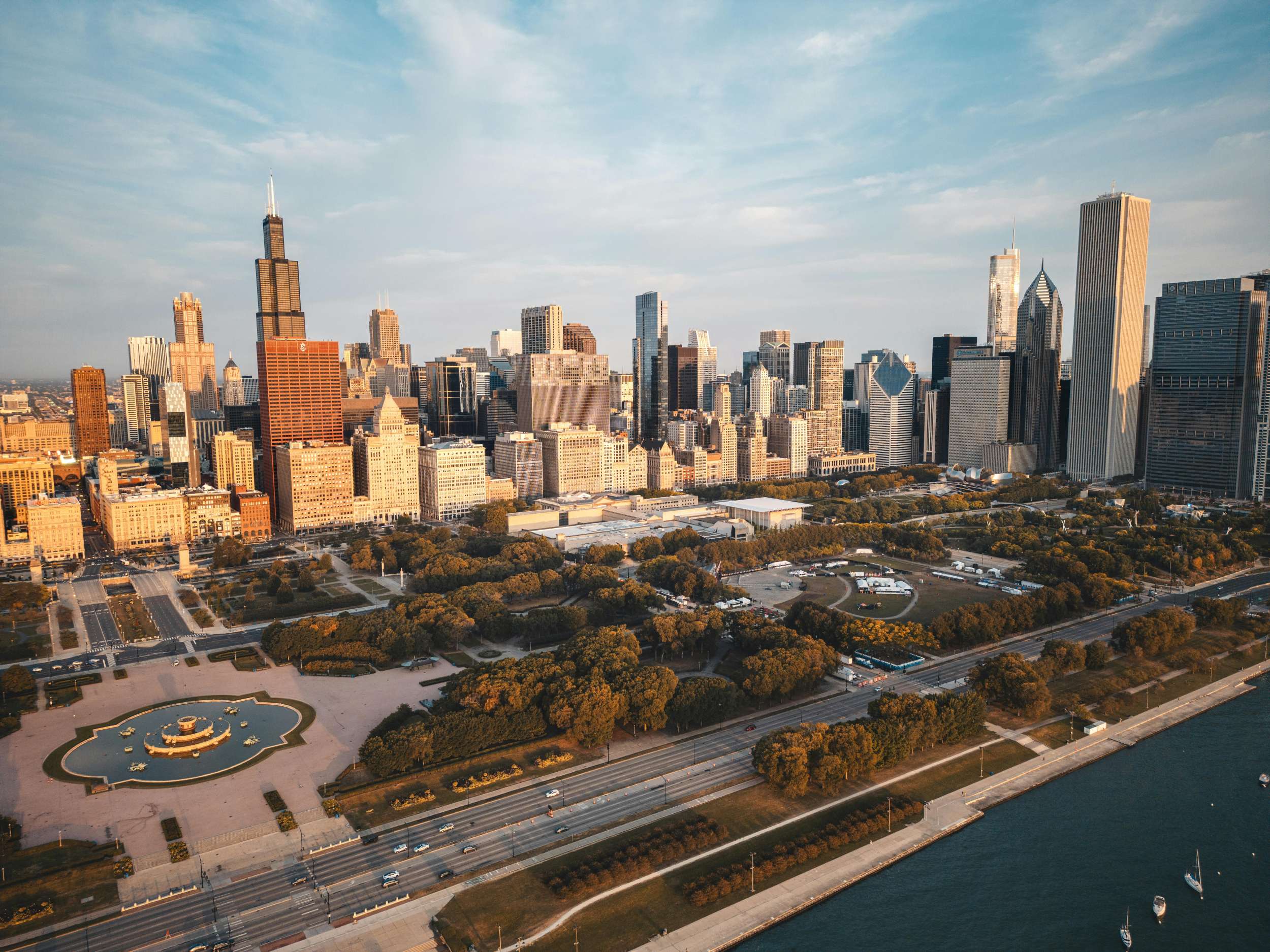
Gay magazine Instinct reports that samesex couples are relocating to Chicago, with its network of community and support organisations, queer businesses and progressive politics.
The number of same-sex couple households in Chicago has soared by a remarkable 72% since 2005, according to recent data, signalling a profound demographic and cultural shift within the Windy City. This dramatic increase far outpaces national growth and is fuelling Chicago's rise as a preeminent LGBTQ+ destination in the American Midwest.
The trend reflects broader societal changes across the United States, where same-sex couples now live in nearly double the number of households they did two decades ago. Experts point to increased social acceptance and pivotal legal milestones, such as the 2015 Supreme Court ruling that legalised same-sex marriage nationwide, as key drivers. In Chicago, the number of married same-sex couples has skyrocketed by 95% since 2014, compared to a 15% growth rate for opposite-sex couples.
The impact is vividly felt in neighbourhoods across the city. Census data indicates significant spikes in the LGBTQ+ population in areas including Uptown, Edgewater, Rogers Park, Lakeview, and Lincoln Park. River North resident Kim Ricardo, who moved to Chicago in 2008 with her wife, Katerine, witnesses the change daily. "We’re building a life, a family, and a community here," says Ricardo. "When I moved here, it was all about civil unions. Today, we’re celebrating legal marriage and the right to live openly."
She describes a "rainbow explosion" of growing diversity among young couples in her area. "That’s what makes this city special," she adds. Overall, same-sex couples now constitute 1.7% of all coupled households in Chicago.
The current landscape stands in stark contrast to the experiences of older generations. Phyllis Johnson, 76, recalls the discretion required when she and her late wife, Barbra Smith, first lived together. "People had questions," Johnson remembers. "'Are you cousins? Are you sisters?' Gay didn’t come up in conversation."
While acknowledging that conservative attitudes persist in some pockets, Johnson credits Chicago's "queer energy" for creating a uniquely welcoming environment. The city, while perhaps not yet rivalling coastal hubs like San Francisco or New York, is firmly establishing itself as a supportive and vibrant haven for LGBTQ+ Midwesterners.
"Chicago’s not perfect, but it’s our city," reflects Kim Ricardo. "It’s a place where we can live without fear and love without limits. That’s what makes it home."

The organisers of the Iris Prize LGBTQ+ Film Festival have announced that the 2026 edition, which marks two decades since the event began, will take place at Cineworld Cardiff – the same venue that hosted the very first festival in 2007.Now a...
Kingston Hospital Radio based at the NHS for Kingston Upon Thames in Surrey, has reminded us all that Barry Manilow,...

An important by election takes place for the British Parliament on Thursday 18th June, for the constituency of...