

Politics and Legal Rights
West Midlands Police Issues Formal Apology
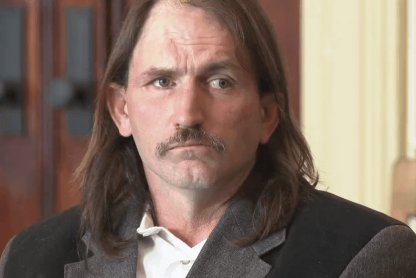
West Midlands Police has issued a formal apology for the historic mistreatment of LGBT+ people, marking what...
Gay Scene magazine QX this month considers ongoing campaigns against prostate cancer. According to one NHS radio advertorial, one many dies every hour of the day and night from prostate cancer in the UK. But prostate cancer groups are becoming more visible and united as they take a leaf out of women's response to breast cancer. In London, the Errol McKellar Foundation has taken out airtime on some of the bigger reggae pirate stations to advise black men of their increased risk of prostate cancer. And now, LGBTQIA+ health campaigners are using reach out on London's scene to reach people.
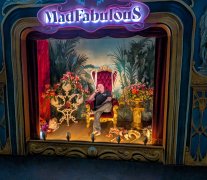
In a South London storage unit, a giant inflatable peach waits for its moment in the spotlight. This absurd and brilliant prop is the calling card of Booty Call CIC, a bold cancer awareness project founded by Daniel Edwards, a DJ also known as Dallyn, after his own bowel cancer diagnosis at age 42.
Daniel had no family history of the disease. His symptoms were fatigue and what he describes as “a dodgy tummy”—signs he almost dismissed. “I nearly died of embarrassment before I nearly died of cancer,” he reflects. Following his treatment, he chose not to shrink from the experience but to build something loud and unashamedly camp to tackle the silence surrounding the illness.
Booty Call takes conversations about bowel cancer directly into queer nightlife through Pride events, karaoke nights, and day parties. The approach is humour first, message second, with the explicit aim of removing shame. “You have to make people smile before you ask them to think about something uncomfortable,” Daniel explains. “If I start clinically listing symptoms in a club, people switch off. If there’s a giant peach and a drag queen saying ‘check your bum, hun,’ they lean in.”
The project’s deliberately cheeky name is a calculated strategy. “Because it breaks the tension immediately,” Daniel says. “You laugh. And once you laugh, you’re listening. Embarrassment is one of the biggest barriers with bowel cancer. The name tackles that head on.”
He recalls his diagnosis as a surreal moment that brought fear and a brutal shift to short-term, survival-focused thinking. This personal experience fuels his mission to create health messaging that resonates specifically within LGBTQ+ communities, where health inequalities exist and screening uptake can be lower.
“Because this is my community,” he states. “A lot of mainstream campaigns just don’t feel culturally fluent.” Booty Call flips the script by using the community’s own language and spaces. “If we can talk openly about sex, breakups and last night’s antics, we can talk about our bums. It just needs to be done in a way that feels like us.”
Daniel firmly rejects the idea that humour trivialises a serious issue. “It’s the opposite. Humour creates safety. Once someone feels safe, they’ll ask the real questions.” He describes people quietly approaching after events to discuss symptoms they had been ignoring, and considers it a major success when someone books a GP appointment because of Booty Call’s message.
The ultimate goal is simple and vital: “That nobody ignores a sign because they feel awkward. Early detection saves lives.” He adds, “We can be camp and chaotic. We can stand under a massive inflatable peach! But underneath it, this is about survival.”
The next Booty Call event, ‘Traitors Bingo at Saturday Service’, is scheduled for Saturday, 21 March from 12:30pm to 5pm at Betty & Joan’s in Elephant Park, London.
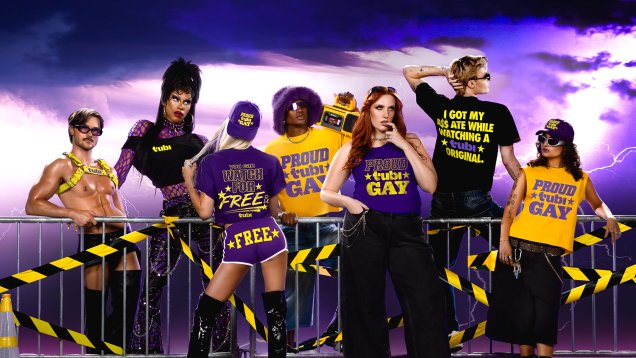
Streaming service Tubi celebrated Pride Month with a free merchandise drop that went viral — featuring slogan T-shirts, a jockstrap and a bright yellow harness — and sold out within hours. Then a second batch sold out again almost immediately.The...
West Midlands Police has issued a formal apology for the historic mistreatment of LGBT+ people, marking what...
Pioneering intersex activist Juleigh Mayfield has died at the age of 51. She passed away on Saturday 20th June after a...