Activism and Advocacy
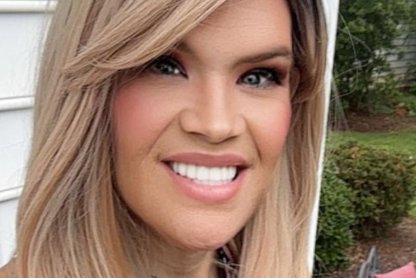
Pioneering intersex activist Juleigh Mayfield dies aged 51
Pioneering intersex activist Juleigh Mayfield has died at the age of 51. She passed away on Saturday 20th June after a...

West Midlands Police has issued a formal apology for the historic mistreatment of LGBT+ people, marking what campaigners have called an “extremely important and historic moment.”
In an open letter to Birmingham Pride organisers marking Pride Month, Acting Chief Constable Scott Green said he wanted to personally “sincerely and wholeheartedly apologise” for the past mistreatment of LGBTQ+ communities by the force.
“I recognise laws were historically wrongly used to proactively target members of the LGBTQ+ community, in particular gay and bisexual men, and that this ruined lives having a lasting negative impact,” Green wrote. “As a result, people did not feel they could be open to be who they were or about the people they loved for fear they would be arrested and sent to prison.”
Green, who was appointed Acting Chief Constable in January, said that during his first months in post he had made a point of meeting members of the LGBTQ+ community to understand their experiences. He said he had been “deeply saddened and moved” by the trauma experienced by many as “a consequence of the actions and behaviours of police.”
“It has become increasingly clear to me that the manner in which certain laws were enforced prior to the decriminalisation of homosexuality was, in many cases, inappropriate, discriminatory, and fell short of the standards any member of the public should expect,” he said.
Lawrence Barton, director of Birmingham Pride, welcomed the apology. He told the BBC it was “the culmination of a conversation that I have been pursuing with West Midlands Police for many years.” He had previously written to two former chief constables seeking a formal apology. “On both occasions, that request was declined,” he said.
“What I cannot right the wrongs of the past, I can offer my sincere regret and acknowledge the impact actions have had,” Green concluded. He encouraged members of the community to report anti-LGBTQ+ hate crime, saying the force wanted to “proactively build a positive relationship with the LGBTQ+ community and allies.”
The change in law in 2003 saw the repeal of Section 28, equalised the age of consent, and repealed charges under previous Sexual Offences Acts such as gross indecency.
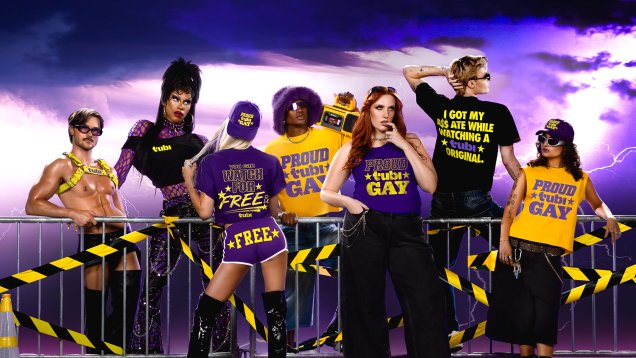
Streaming service Tubi celebrated Pride Month with a free merchandise drop that went viral — featuring slogan T-shirts, a jockstrap and a bright yellow harness — and sold out within hours. Then a second batch sold out again almost immediately.The...
Pioneering intersex activist Juleigh Mayfield has died at the age of 51. She passed away on Saturday 20th June after a...
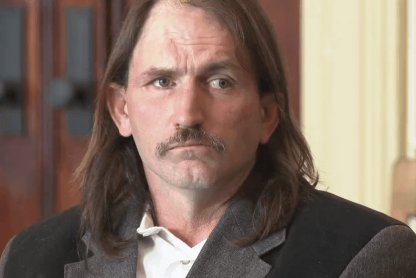
A MAGA-supporting pastor who previously campaigned against LGBT+ books in schools has been sentenced to 15 years in...