

Health and Wellness
Taking Stock of HIV in Australia, 45 Years On
ABC National News Channel in Australia and its associated website have taken a lengthy look at HIV and AIDS, reflecting...
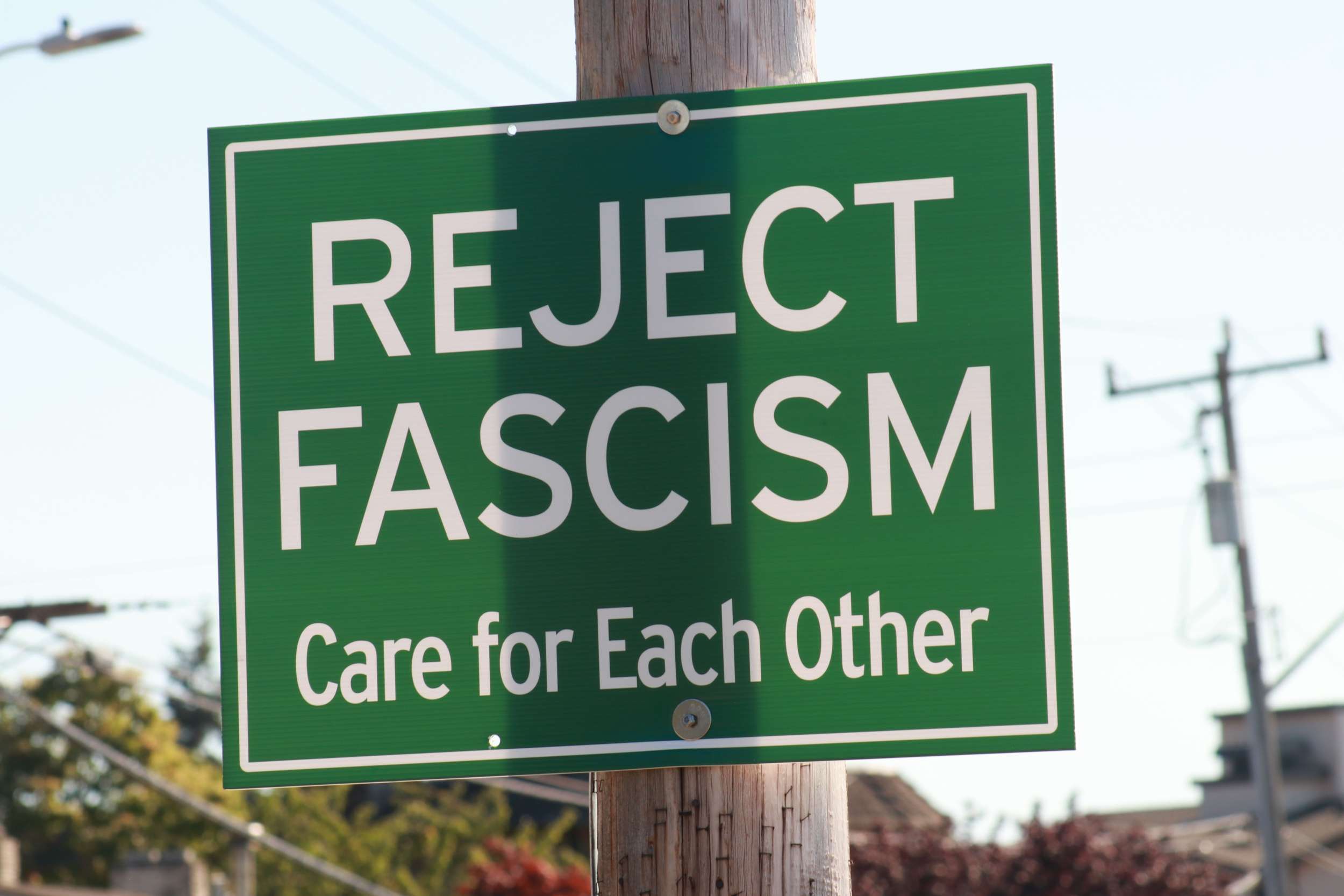
On Saturday, tens of thousands of anti-fascist demonstrators from across Germany converged on the city of Erfurt to prevent the Alternative for Germany (AfD) party from holding its conference, according to left wing weekly Socialist Worker. Marchers made their way through the city centre to the venue, while early-morning blockades halted traffic on all major routes into Erfurt.
“As soon as it was announced that the AfD would be holding its conference in Erfurt, this became a priority,” protester Irmi told Socialist Worker. “Speaking to anti-racist activists in Erfurt, they tell me that they’ve knocked on more than 20,000 doors in the last month alone. But activists across the country have been building for it relentlessly—and you see the results today. There are anti-fascists here from more than 80 different cities and towns.”
The counter-demonstration was organised by Widersetzen—a broad coalition of civil society groups, political parties, student organisations and trade unions. The name means both “resist” and “sit down”, reflecting a two-pronged strategy. Demonstrators set up roadblocks on motorways leading into Erfurt, while others gathered in the city centre. Among them were supporters from the Greens, the SPD, the union Ver.di, and the Stand Up To Racism campaign.
Sophie, a campaigner from the left-wing party Die Linke, was among roughly 500 activists who travelled overnight from Munich on Friday to take part. “At 5am, a few miles outside of Erfurt, we sat down in the middle of the motorway so we could stop any fascists trying to get to the conference,” she said. The blockades succeeded in preventing some AfD delegates from reaching the venue, though many had already been bused in during the early hours with police assistance. Despite the conference going ahead, the action caused humiliation for the far-right party, according to campaigners.
Anger was not reserved for the AfD alone. Stefan, a teacher from Hamburg, pointed to widespread frustration with the cuts proposed by Friedrich Merz’s right-wing coalition government. “On the anti-fascist bloc, there were calls for an intifada against cuts, against attacks on workers pensions and wages,” he said. “There is an anger at the system as a whole.” Chants of “Free, free Palestine” were heard along the protest route. Paula, a student from Reutlingen, said the Palestine movement had politicised her. “Witnessing the ongoing genocide in Gaza, I knew I had to get involved,” she explained. “But I know I also have to be involved in the fight against the fascism of the AfD. That’s why I’m here today, because it’s important to make a stand.”
The AfD’s choice of Erfurt carried deliberate symbolism. Thuringia is home to Björn Höcke, leader of the party’s openly fascist wing, “Der Flügel”. Moreover, the conference fell exactly a century after the Nazi Party held its first public gathering following the failed 1923 Munich Putsch. That event took place in Weimar, less than fifteen miles from Erfurt, on 4 July 1926. The AfD’s radicalisation continues: among the debates at the gathering was a proposal to admit members previously expelled for links to openly Nazi organisations.
At a press conference on Friday, Suraj Mailitafi, a spokesperson for Widersetzen, warned what an AfD government would mean. “If the AfD were to come to power, it would pose a danger for black people, for people of colour, for LGBT+ people, for women, for people with disabilities, for asylum seekers and refugees, for poor people, for Muslims and for Jews.” The party is forecast to win a majority in the eastern state of Saxony-Anhalt in September, and is polling at around 27 percent nationally. “The AfD is a threat to all of Germany, not just the east,” Stefan said.
Campaigners argue that mass mobilisations like Saturday’s must be repeated, along with patient, grassroots work in communities, schools, universities and workplaces. Anti-racists need to convince working people that the AfD offers no real solutions, while presenting a genuine alternative to a failing system. Recent protests suggest an appetite for such arguments: over the past year Germany has seen not only large anti-AfD demonstrations, but also 100,000 people marching against the genocide in Gaza and 50,000 school students striking against renewed militarism.

Rainbow Rebellion, being the LGBTQIA+ contingent within the wider Extinction Rebellion movement, has invited LGBTQIA+ activists to join with ER's days of love and rage in September, to force further government action to tackle climate change after a...
ABC National News Channel in Australia and its associated website have taken a lengthy look at HIV and AIDS, reflecting...

The Bob Mizer Museum and Photography Archives announced today that they are launching a Kickstarter campaign on August...