


Opinion and Commentary
LGBTQIA Library is an Integral Part of Bristol's Eco Centre "Sparks"
B247 reports on the continuing success of the LGBT+ Little Library, which pops up once a month in the Bristol...
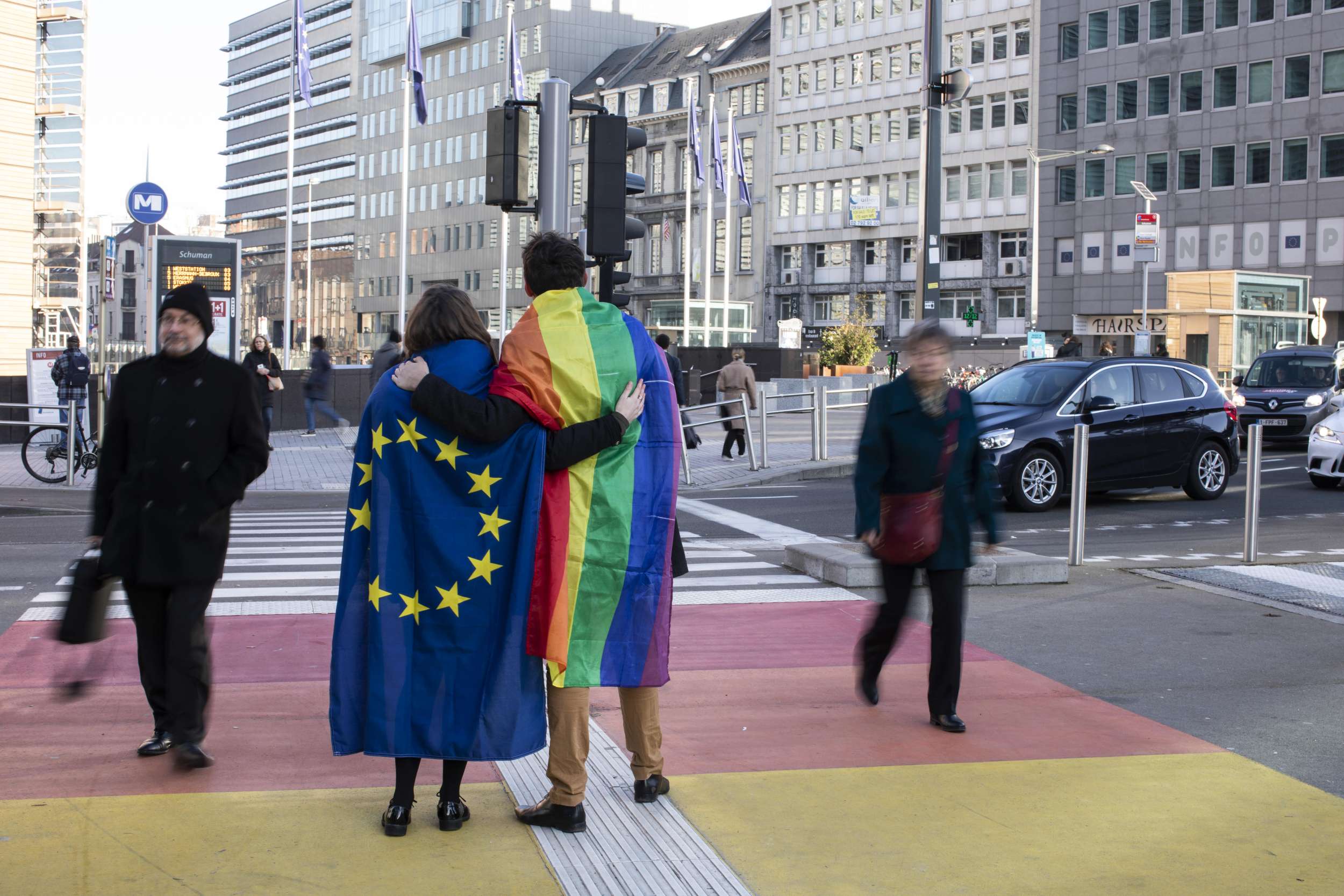
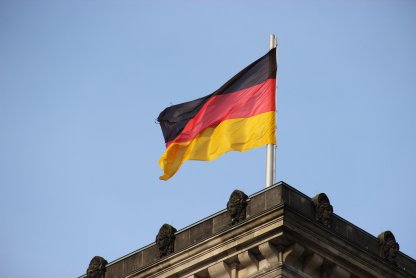
The European Union's Court of Justice (CJEU) has delivered a landmark judgment, ruling that member states must recognise the gender identity of transgender citizens when it is essential for their right to free movement within the EU. The decision establishes that obstructing the amendment of gender markers on official documents for citizens exercising this fundamental EU right is incompatible with union law.
The case was brought by a Bulgarian transgender woman residing in Italy, who had been denied legal gender recognition by Bulgarian authorities for nearly ten years. Bulgaria, alongside Hungary and Slovakia, maintains some of the EU's most restrictive laws on legal gender recognition.
In its ruling, the court emphasised that member states are required to have "clear, accessible and effective procedures" for gender recognition to ensure EU rights function properly. It stated that failing to respect a transgender person's gender identity constitutes a failure to respect their dignity and freedom.
The judgment sets a significant legal precedent, asserting that recognising a trans person's gender is a fundamental right tied to EU citizenship. It effectively nullifies any national supreme court rulings, such as a 2023 Bulgarian judgment, that restrict lower courts from amending gender markers on documents for citizens involved in cross-border movement.
Advocacy groups have hailed the decision as transformative. Marie-Hélène Ludwig of ILGA-Europe called it a "huge step forward," providing the European Commission with a strong basis to act against non-compliant states. Richard Köhler of TGEU stated the ruling means national laws can no longer stand in the way of trans people fully enjoying freedom of movement.
While the ruling does not apply to the UK post-Brexit, it marks a pivotal moment for trans rights within the EU, following recent European Parliament resolutions affirming transgender identities. The judgment places a direct obligation on member states to align their administrative practices with the core EU principle of free movement.

One of the ShoutOut Family of community radio stations, is the excellent Trans Radio UK. Since 2018, they have broadcast a wide variety of music by and for the trans and wider LGBT+ communities...... from reggae to punk, goth to Disney, country to...
B247 reports on the continuing success of the LGBT+ Little Library, which pops up once a month in the Bristol...

On Bank Holiday Monday, LGBTQIA fans of theatre and cinema will be treated to a extensive profile of Sir Ian Mckellen,...