The Equality and Human Rights Commission (EHRC) has removed its interim advice for institutions on a recent Supreme Court ruling concerning transgender rights. This provisional guidance, which some advocacy groups warned could lead to the effective exclusion of trans people from numerous public areas, has been taken off the watchdog's website.
The interim advice was issued in April 2025 following the Supreme Court's decision that the legal definition of a woman is anchored to biological sex. The EHRC now states that organisations should seek "specialist legal advice" while awaiting the formal approval of its comprehensive statutory guidance, which was submitted to government ministers in early September.
The withdrawn advice had sparked concern among transgender groups and some Labour MPs. It indicated that the ruling meant transgender individuals could be barred from using toilets aligned with their gender identity and, in certain situations, might also be restricted from facilities matching their birth sex. Critics argued this would create a situation where trans people had no appropriate options, effectively marginalizing them from public life. The Council of Europe’s human rights commissioner has since echoed these concerns in a communication to UK MPs, cautioning against the potential for "widespread exclusion."
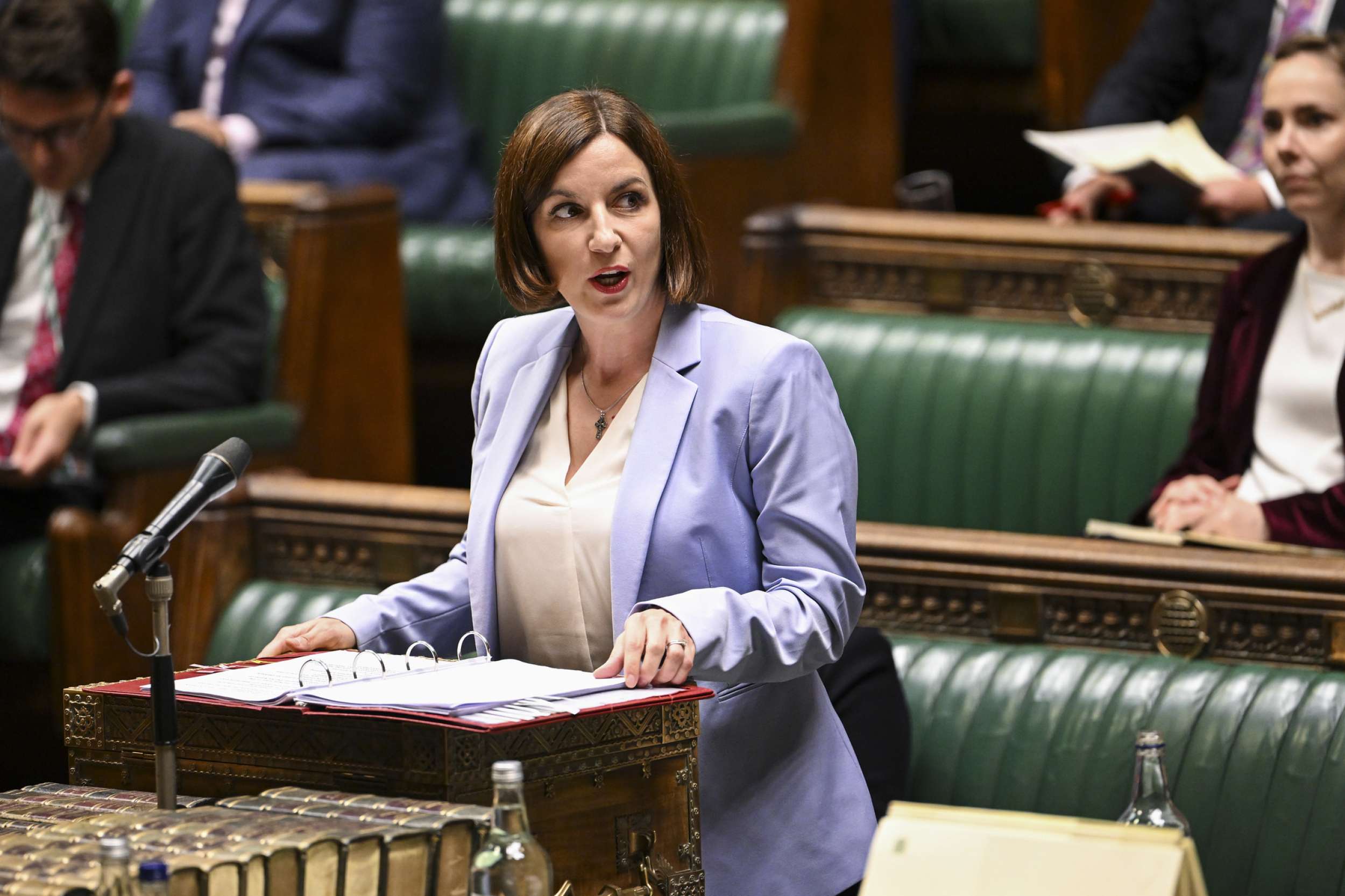
The move to withdraw the advice was announced in a broader statement where the EHRC unusually publicly urged ministers to expedite the approval of its final guidance. The watchdog revealed it had written to Equalities Minister Bridget Phillipson, noting that six weeks had passed since the submission and warning that a vacuum of legally sound advice now exists.
However, government sources indicate the delay stems from the EHRC itself, which has not yet provided necessary supporting documents, such as an equality impact assessment. Officials state that without this information, it is challenging to properly evaluate the complex, 300-page draft guidance. The document requires approval from Phillipson before being presented to Parliament for a 40-day review period. There is also reported apprehension within government about ensuring the guidance can withstand potential legal challenges.
Speculation suggests the government may be waiting until the end of the term of the EHRC's current chair, Kishwer Falkner, a Conservative appointee whose tenure concludes soon. Despite this, Falkner has called for swift action, stating that some organisations are still following outdated guidance, thereby "allowing practices inconsistent with the law to persist."
A Whitehall source countered, “Unfortunately this looks like the EHRC deflecting – they still haven’t sent ministers the information they’ve requested in order to assess the draft code. The EHRC should be cracking on with their job, not giving lectures on timing while government still awaits their material.”