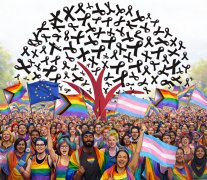
The left wing weekly newspaper, Socialist Worker, estimated that around half a million people participated in a huge coalition of groups united against the British far right, last Saturday. Ranging from trade unions, left wing parties, progressive charities, faith groups, and civil society organisations from the Anglican Pacifist Fellowship to the Welsh Language Society, the massive coalition sent a message to those who peddle the politics of hate.
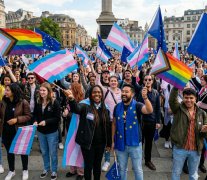
An estimated half a million people filled the streets of central London this Saturday in what organisers are calling the largest march against the far right in British history. The demonstration, under the banner of the Together alliance, stretched from Park Lane to Whitehall, with the scale so vast that the front of the march had reached its conclusion while the rear was still at the starting point.
The protest was a direct response to the growing visibility of far-right groups, notably a large march led by Stephen Yaxley-Lennon, known as Tommy Robinson, last September. For many attendees, it was a powerful counterpoint. "Sometimes the negative voices seem so much bigger," said Jen, who attended with friends from north London. Her friend Aaron added they were there "against the system and the investment in our politics that’s funding the far right."
The atmosphere was a mix of solemn protest and defiant celebration. In Trafalgar Square, a 'House Against Hate' rave saw thousands dancing to electronic music, with chants of "Free, Free Palestine" echoing around Nelson's Column. Performing artist Shygirl told Socialist Worker the event showed unity, stating, "Music can be at the centre of the community. It makes sense to utilise any medium to spread the message."
The demonstration drew support from a broad coalition, including trade unions, environmental groups, political parties, and faith organisations. Trade union blocs were noted as the largest seen on a national protest for several years. Margaret, a council worker marching with the GMB union, stressed it was "absolutely vital" for unions to be part of the anti-racist struggle, highlighting issues facing immigrant members.
Speakers Issue Defiant Warnings to Far Right and Government
At a rally in Whitehall, speakers delivered impassioned speeches linking the domestic fight against racism to global political trends. Green Party co-leader Zack Polanski addressed far-right figures directly: "When we turn up in our hundreds of thousands, we are unstoppable." He warned that the far right sees events in the United States as a "blueprint," but argued that people in Britain see through parties like Reform UK.
Andrea Egan, general secretary of the Unison union, told the crowd, "These are our streets and those who want to divide us aren’t welcome." She connected the struggle against the far right to workplace organising, stating the need to fight "against racism, sexism, transphobia and for unity." She also issued a challenge to the Labour government, saying, "If this Labour government wants to defeat Reform and Farage, the answer isn’t to copy them."
Lewis Nielsen, an anti-fascist officer from Stand Up To Racism, framed the massive turnout as a decisive answer to the far-right demonstration six months prior. He issued a direct warning: "Our message to little Tommy Robinson, if you come for Muslims, if you come for migrants, if you come for refugees, we are going to shut you down." His message extended to Nigel Farage and the government, accusing ministers of using "the language of the far right."
Nielsen concluded by calling the protest a starting point, urging a nationwide campaign against Reform UK in the May elections and the establishment of anti-racist groups in "every town and city, in every workplace." For the hundreds of thousands present, the day served as a potent display of collective opposition and a rallying cry for continued mobilisation.