


Society and Community Life
Pride Cymru to Showcase Best of LGBTQIA+ Wales
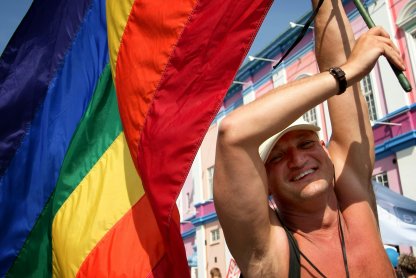
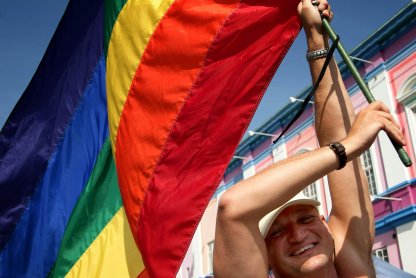
Pride Cymru, the largest Pride Event in Wales, will be turning the capital city of Cardiff pink on June 13th and 14th. ...
he 2026 Sydney Gay and Lesbian Mardi Gras Parade has concluded, presenting its signature spectacle of colour and celebration to onlookers. Yet, according to those within the organisation, this year's event unfolded against a backdrop of profound internal strife, described as a 'fight for the future' of the iconic festival.
Long-simmering tensions over issues like police participation, refugee rights, and corporate 'pinkwashing' reportedly reached a new intensity. The period leading up to the parade saw censure motions against directors, allegations of transphobia, and calls for government funding to be withdrawn. In a dramatic pre-parade decision, the Mardi Gras CEO banned the queer activist group Pride in Protest from marching, citing social media posts concerning Palestine, Zionism, and genocide. Subsequently, the organisation stood down all board directors affiliated with that group and the Queers for Palestine campaign.
While controversial, these conflicts highlight a natural tension within a diverse community. Queer solidarity, forged when all forms of queerness were socially rejected, is now fracturing as progress towards equality is unevenly distributed. However, analysis of these disputes often misses a crucial element: a genuine analysis of power.
The financial and operational framework of Mardi Gras relies on a network of entities including corporate sponsors, the City of Sydney Council, Inner West Council (providing workshop space), Destination NSW, NSW Police, and Transport NSW. Each holds potential leverage; the threat of withdrawing funding, support, or cooperation could severely impact the festival, especially in a tight budgetary climate.
The critical difference, argues one commentator, is in the willingness to use that leverage. The political right and large corporations have shown they will readily withdraw support for political or commercial reasons. Conversely, progressive backers, who value the festival for its representation and role in advancing LGBTQIA+ rights, are often reluctant to wield their financial influence, fearing they might undermine the very institution they support.
This creates a dynamic where the most active pressure on Mardi Gras to become more commercialised and depoliticised comes from those willing to use their economic power, potentially steering the festival away from its activist roots. The argument posits that the majority of the community still desires a political Mardi Gras—one that advocates for law reform and takes ethical stands on global issues.
The conclusion is a call to action for the broader left and progressive supporters. To ensure Mardi Gras remains at the intersection of party, politics, and protest, it is suggested that proponents of queer rights with leverage must play a more active role in countering conservatism and pinkwashing, sharing the burden of advocacy beyond the most radical activist collectives.
The National Secular Society says that charities should benefit the public good and cannot be abusive Christian extremists. To this end, they have reported to the Charity Commission a small church in Essex, known for its misogynistic and homophobic...
Pride Cymru, the largest Pride Event in Wales, will be turning the capital city of Cardiff pink on June 13th and 14th. ...

A social media post shared on the eve of Pride Month last Sunday featured a photograph of Vivian Jenna Wilson, taken...