
General
Chicago Queer Media Hold Fundraiser on October 3rd
Chicago based LGBT+ radio station E3 and news platform Queer News are joining forces on 3rd October to present a purple...
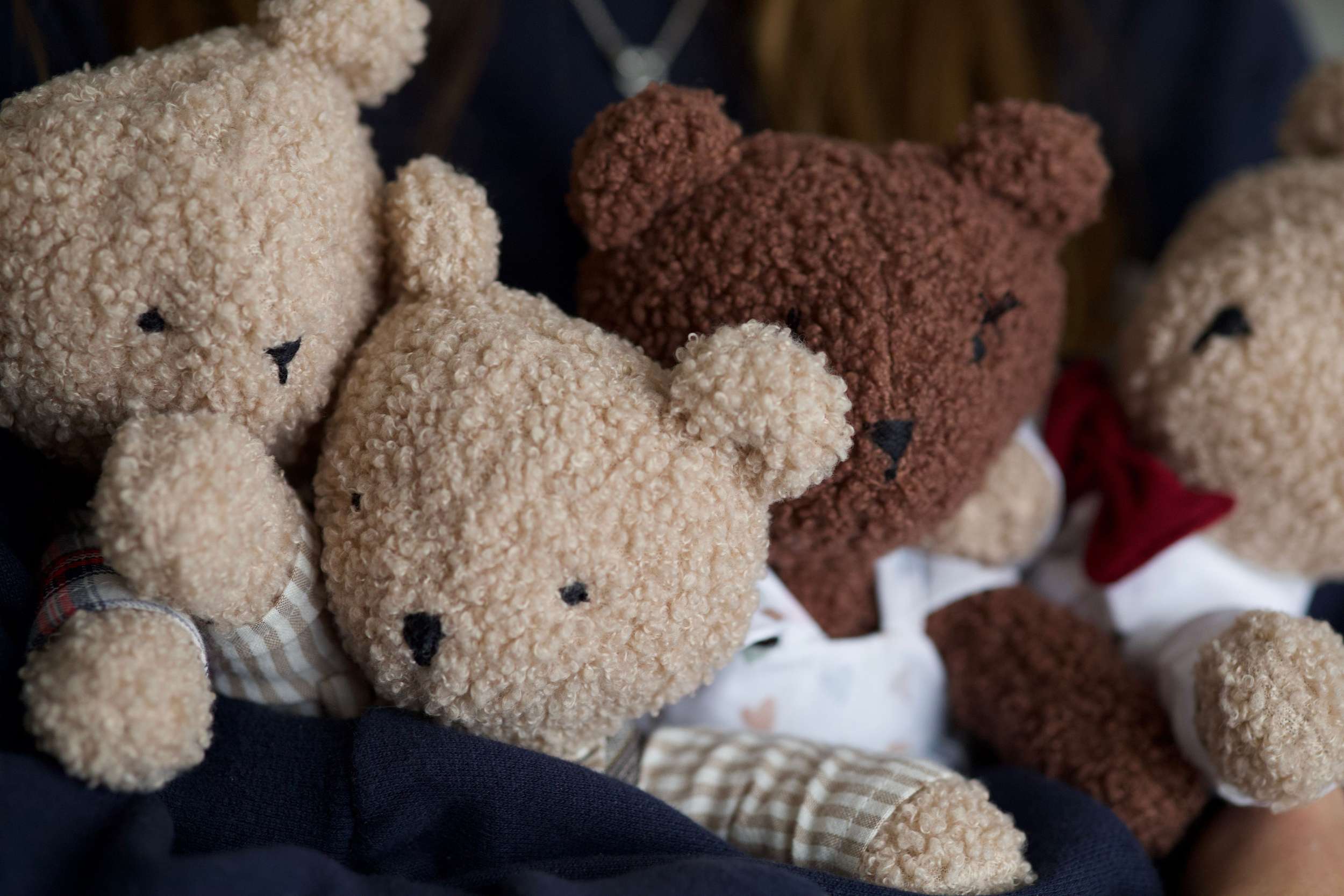
Queer cultural journal THEM reports this week on changing body types within the Bear Subculture of gay, bi and transgender men, which since the 1980s has given chubbier and hairier men a home, sexual partners and boasts even its own flag as well as its own media and events.
As groundbreaking medications for shedding pounds — the GLP-1 class of drugs, including Zepbound, Wegovy, Ozempic and Mounjaro — become ever more widespread, an intriguing question has emerged: are the bears doing okay?
The reality, it seems, is far from straightforward.
Richard Jones, who founded and edits Bear World Magazine, insists the community’s spirit remains robust. “We’re losing a little bit of weight, but we’re still a community, we’re still thriving, we’re still bears,” he said. Jones and his husband have both dropped pounds while taking Mounjaro to manage Type 2 diabetes, yet they remain substantial men who proudly identify as bears.
With these drugs now dominating conversations, even a subculture built on celebrating larger bodies cannot escape the debate. The bear community finds itself wrestling with the growing number of members using the medication — some for genuine health concerns such as diabetes and high blood pressure, others purely for cosmetic weight loss.
There is no single physical template for being a bear. The community embraces everything from muscular bears and younger cubs to heavyset men with generous bellies, abundant body hair and full beards. As Jones puts it, “being a bear is very much a state of mind.”
Historian Les Wright has observed the bear scene since its earliest days. He became a bear himself in the 1980s, after ageing out of being a “Castro twink” and putting on weight once he gave up smoking. Back then, older, heftier and hairier gay men were pushed to the margins by the mainstream gay community and had no social space where they felt desired.
The label for this group of chubby, hirsute men first appeared in 1979, when George Mazzei wrote an article for The Advocate classifying different segments of the LGBTQ+ community by animal names. The piece was titled “Who's Who at the Zoo?” and the term quickly caught on, becoming commonplace at social and sexual gatherings by the early part of the 1980s.
Wright recalls his own journey with fondness: “My body naturally started gaining weight, and as I worked through accepting where my body was going, the bears were there for me.” He went on to establish the non-profit Bear History Project and is now editing the third volume of his influential book series, The Bear Book, which has charted the evolution of this gay subculture since 1997.
Jones believes such bodily transformations are nothing new for the community, which is why he expects it to weather the current wave of weight-loss medication. “You talk to men who have been in the bear community for 20, 30 years. Their bodies will have changed a lot in that time,” he noted. “They may have started off as a chaser when they were young, and now they’re in their 60s, and they may be bigger, and nothing’s changed about their being part of the bear community.”
Far from losing members to these drugs, Provincetown Bear Week appears to be going from strength to strength. Official figures for this year’s event have yet to be confirmed, but according to Bear Week President Frank Mahoney, registration packages sold this year have already surpassed those sold in 2025, with attendance expected to top 30,000.
While the numbers tell a story of growth, the physical size of attendees has clearly shifted. In previous years, men collecting their event T-shirts typically requested 2X, 3X and 4X sizes. This year, however, the demand was noticeably different, with small, medium and large sizes proving more popular.
“The GLP-1s are shrinking the bear community’s waist size down,” Mahoney observed. “It’s not really shrinking the size of the bear community in general.”
To read more about the Bear Community and its survival, check out these out and proud links:
https://www.them.us/culture/gay-bear-culture-ozempic-2677707696
https://bearworldmag.com/
https://en.wikipedia.org/wiki/Bear_Magazine
And hey, there's even a Bear Radio station, located online at https://prideaid.com/station/bear-radio-network/
Gay writer of classic serials such as Queer as Folk and It's A Sin spoke with the Guardian newspaper last week about his career, his showrunning for the BBC's classic science fiction programme Doctor Who, and life after the passing of his former...
Chicago based LGBT+ radio station E3 and news platform Queer News are joining forces on 3rd October to present a purple...

The giant technological companies, whom some in the left wing press have described as the fascists of the twenty first...