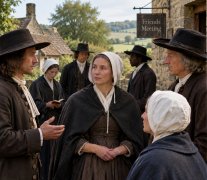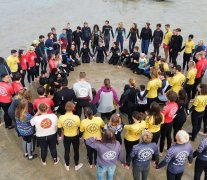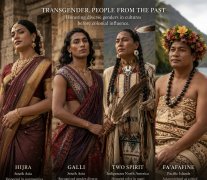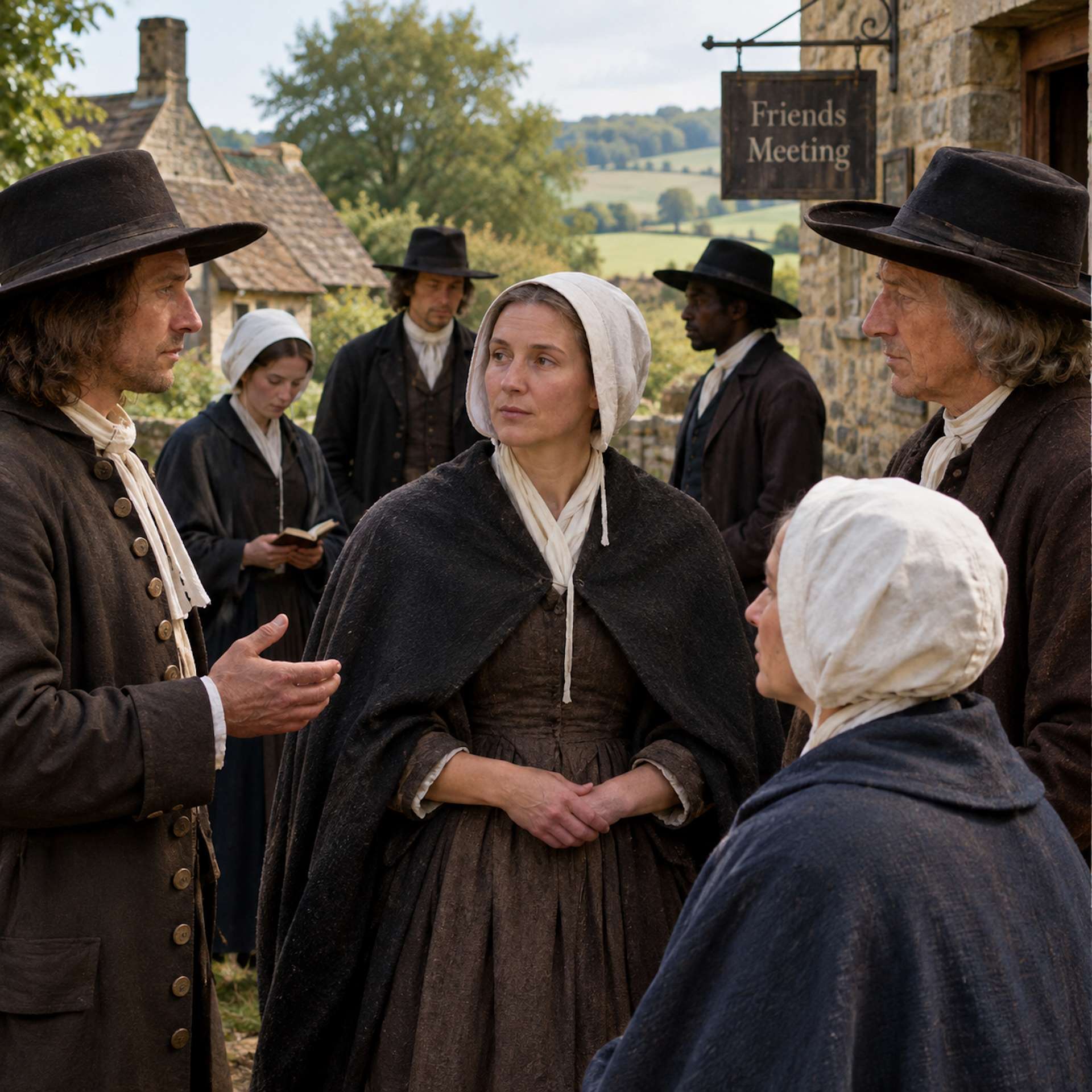
This week the team is joined in the studio by David Heald, a Quaker, for a conversation that ranges from silent worship to chocolate. Quakers, he explains, grew out of a 17th-century split from the Anglican Church and threw out the trappings most churches are built on — priests, buildings, set services, hierarchy — in favour of meeting in silence and holding peace, equality, simplicity and truth as founding principles. In 1963 they became the first religious group to say publicly that what makes a relationship equal has nothing to do with the sex of the people in it, and David traces that instinct back through an 18th-century Quaker who used they/them pronouns and the 13th-century mystic Julian of Norwich writing that God is neither male nor female. He also explains why the word "homosexual" only dates from 1869, and why the Leviticus passages so often used against LGBT+ people read very differently in the Greek and Aramaic the Bible came from. There's a chocolate connection, too — shut out of the army, Parliament and the priesthood, Quakers built a reputation for honesty that made them the trusted chocolate makers of Bristol and beyond — and David is candid about the harder edges of that history, from persecution after the Restoration to Quakers being arrested today on Palestine Action and climate protests.
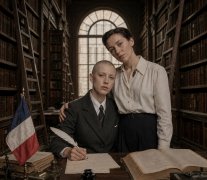
And this week's Queerstory tells the story of Ewan Forbes — a Scottish doctor, born in 1912 into an old Aberdeenshire family, registered at birth as a girl but understood by everyone who knew him as a boy. In 1952 he had his birth certificate corrected from female to male, married his housekeeper and settled into life as a country doctor. It was only when his brother died in 1965, and the family barony proved able to pass only down the male line, that a cousin challenged his right to inherit, and three years of argument in Scotland's supreme civil court followed. In 1968 Ewan won, the court accepting he was intersex and the Home Secretary confirming him as Sir Ewan Forbes, 11th Baronet. But the case was heard behind closed doors, the press kept out and the judgment never published, so it could never be cited — while an English court's opposite ruling the same year, published in full, shaped UK law for decades. Ewan died in 1991, known outside his community mainly as a well-liked country doctor, until the academic Zoë Playdon pieced the story back together for her 2021 book, The Hidden Case of Ewan Forbes.
2026-09-10 20:00