

Society and Community Life
LGBTQIA Pagans Mark Autumn Equinox
LGBTQIA Pagans and followers of nature based religions have been celebrating the Autumnal Equinox in the northern...
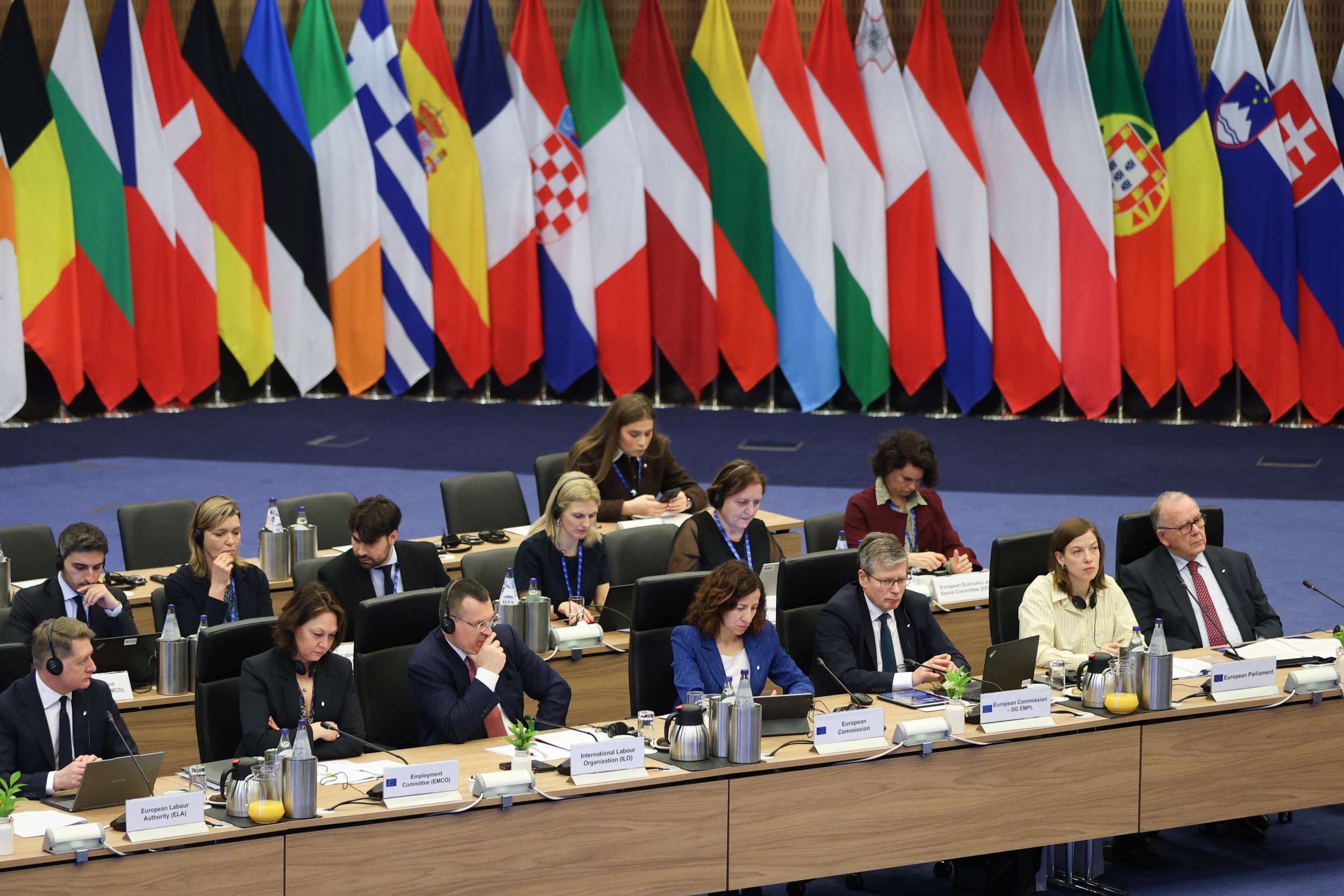
The European Parliament has formally recommended that trans women should be fully included in all the bloc's feminist policies, declaring that their right to be treated as women should be a priority. The resolution, approved in a Strasbourg plenary session, calls for the legal recognition of self-perceived gender identity to be a top focus in the EU's external actions and equality strategies.
The text was adopted with support from left-wing groups and, notably, a majority of the centre-right European People’s Party (EPP). A proposed amendment stating that "only biological women can become pregnant" was rejected in the vote, with 233 Members of the European Parliament (MEPs) opposing it, 200 in favour, and 107 abstaining.
The initiative stems from a report by Socialist MEP Lina Gálvez. It argues that the EU should actively promote the recognition of gender identity in international forums and in its dialogues with non-EU countries. While the document is formally a recommendation to the European Council and not a directly binding law, it establishes a political position likely to influence future diplomatic and legislative efforts.
The decision was immediately criticised by conservative groups within the parliament. Hermann Tertsch, an MEP from Spain's VOX party, stated the parliament had adopted an "ideological agenda that redefines the concept of woman" and imposed it as the Union's official position. He argued the concept of gender identity lacks consensus in many member states.
The Patriots for Europe group also denounced the process, claiming it was excluded from both the prior negotiations on the text and from an official mission to the upcoming UN Commission on the Status of Women, despite being the third-largest force in the parliament.
The vote occurs as the EU contends with significant economic and geopolitical challenges. Critics argue the decision reflects a persisting focus on divisive ideological issues rather than the pressing concerns of European citizens.
While the recommendation has no immediate legal effect, it reinforces a contentious political direction. In the coming months, the European Council must consider the proposed guidelines amidst ongoing divisions over gender identity, fundamental rights, and equality policies across member states.

Cross dressing artist and national treasure, Sir Grayson Perry, will co host the Sky Arts Awards on Tuesday 13th October, alongside Rebecca Lucy Taylor, who is known as Self Esteem. The event takes place at the Roundhouse in London and will be...
LGBTQIA Pagans and followers of nature based religions have been celebrating the Autumnal Equinox in the northern...
LGBTQIA arts magazine Queerguru reports that the founder and originator of the AIDS Memorial Quilt in the UK has passed...