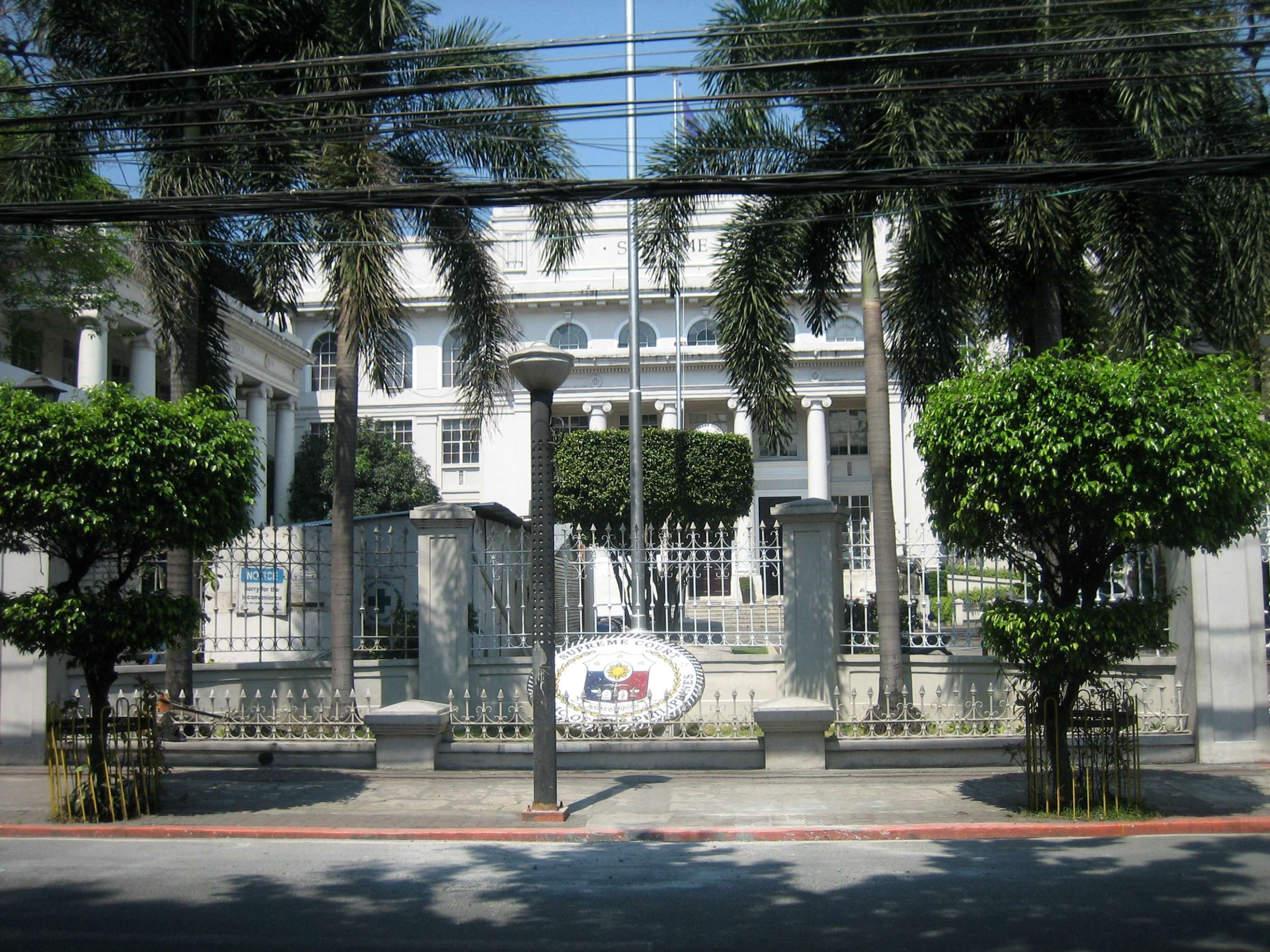
In a landmark decision, the Philippine Supreme Court has ruled that same-sex couples can be legally recognised as co-owners of property, a move hailed by human rights activist Peter Tatchell as a "small but significant step". The judgement marks the first application of a specific provision in the nation's Family Code to a same-sex couple's property dispute, offering a notable, though limited, form of legal recognition.
The case, made public on Tuesday, centred on a dispute between two women, a former couple, over the sale of their house and lot in suburban Manila. After one partner reneged on an initial sale agreement, the other filed a claim to divide the property, a claim which had been denied by lower courts.
However, on 5 February, the Supreme Court reversed those rulings. It cited evidence, including a document acknowledged by both parties, that one partner had contributed 50% of the purchase and renovation costs. The property had been registered under only one partner's name for administrative ease, as the couple were not married or related by blood.
The court based its decision on Article 148 of the Family Code, which governs "property relations of people who live together but cannot legally marry." While the Code defines marriage as between a man and a woman, the court stated Article 148 does not discriminate based on gender and "applies to all forms of co-habitation."
Associate Justice Marvic Leonen wrote that Article 148 applies to same-sex couples, "otherwise, we render legally invisible some forms of legitimate intimate relationships." Associate Justice Amy Lazaro Javier added that the article must not be limited to heterosexual couples given modern societal values and the "glaring yet unjustified difference in treatment."
Supreme Court spokesperson Camille Ting confirmed to the BBC that this is the first time Article 148 has been used to decide a same-sex couple's property rights case. The ruling is particularly significant in the conservative Catholic country, which outlaws same-sex unions and remains, alongside the Vatican, the only place in the world where divorce is not permitted. This legal landscape has historically left LGBT couples without protections regarding property, finances, and healthcare.
In its ruling, the court also urged the government and lawmakers to address the broader needs of same-sex couples, stating that Congress must be involved in seeking solutions to the surrounding political, moral, and cultural questions.