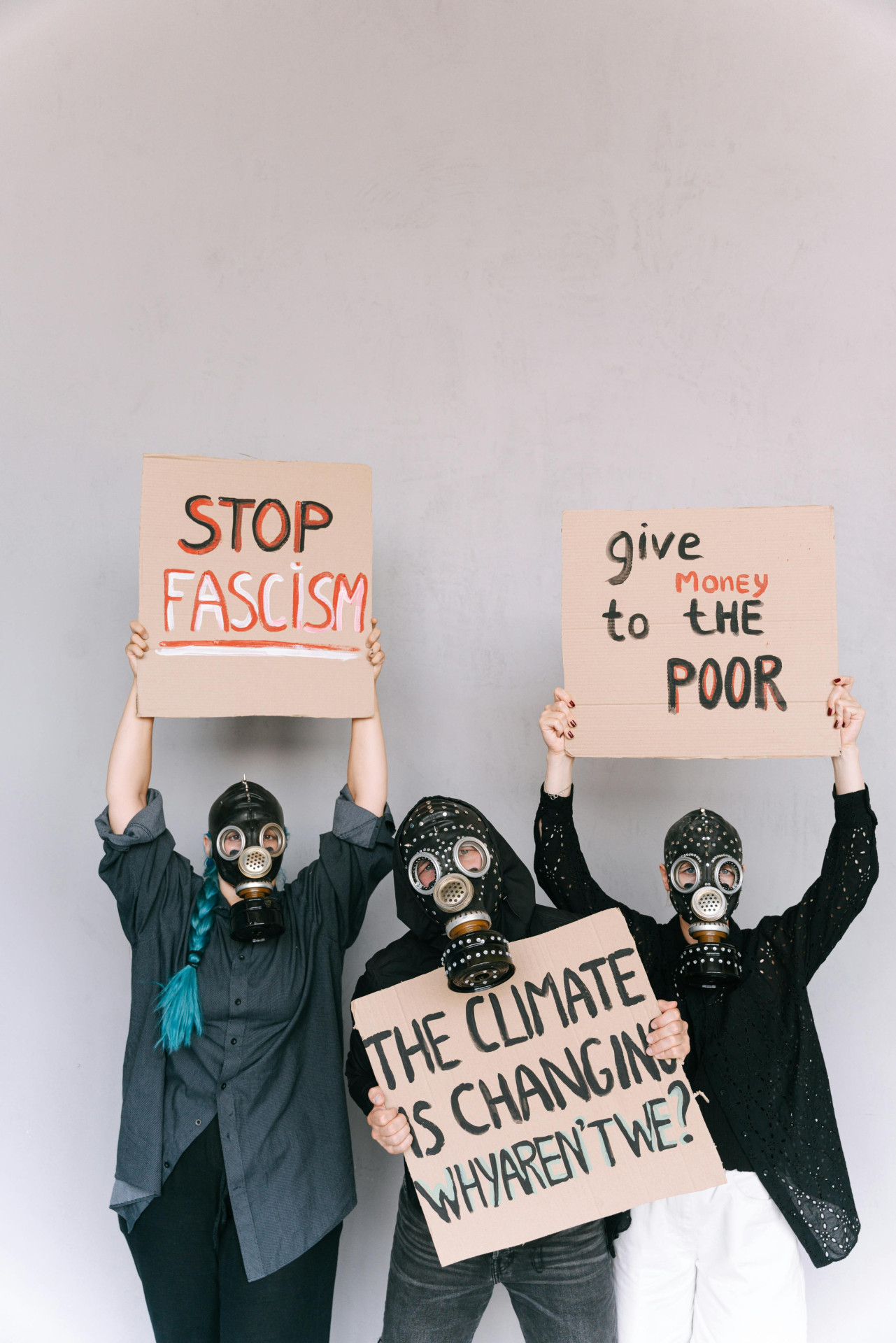
Play and protest have gone together for a long time. From medieval peasants turning their world upside down in carnivals and jestering, through to the playfulness of hippies in the sixties or the dark humour of anarcho punks in the eighties, there is a tradition of protest as fun, whilst retaining a precision focus on fighting the forces of fascism. In a provocative new essay, celebrated drag performer and writer Lil Miss Hot Mess has issued a rallying cry to LGBTQIA+, peace, and environmental movements: embrace playfulness as a vital political strategy. Writing for LGBTQ Nation, she argues that in an era of rising fascism and stifling political orthodoxy, joyful, imaginative protest is not just beneficial but essential for building a more just world. The piece is a critique of what she sees as a failure of imagination within mainstream political organising, including some established LGBTQ+ groups. Lil Miss Hot Mess contends that an over-reliance on consultant-approved, respectability-focused tactics promotes self-preservation over the systemic change required. "It’s time for us to put aside those tired old rules and start making our own," she writes.
Central to her argument is the idea that many adults have lost the capacity for play, a spirit suppressed by social conformity and a culture of productivity. She suggests that queer cultures have long held the blueprint for a different approach, documenting aspects like "facilitating structures of communication and consent, humorously addressing shameful or taboo subjects, and creating spaces for mess and mischief."
"Put simply, play offers us a toolkit — or better yet, a toy box — for building a more just and joyful world," she states. This toy box, she explains, allows movements to imaginatively experiment with their values, devise clever tactics for advocacy, and find rejuvenation to sustain long-term activism.
To illustrate her point, Lil Miss Hot Mess highlights historic examples of playful queer activism. She cites 1950s drag icon José Sarria, who led performance-based protests against police raids. His tactics included leading bar patrons to sing a parody, "God Save Us Nelly Queens," outside police stations and having drag performers wear "I am a boy" labels to subvert anti-cross-dressing laws.
She also points to the impactful work of 1980s and 1990s groups like ACT UP, Queer Nation, and the Lesbian Avengers. These groups famously used theatrical, camp, and carnivalesque tactics, such as wrapping a senator's house in a giant condom, staging festive "kiss-in" demonstrations, and learning fire-eating to draw attention to their causes.
Looking ahead to 2026 and beyond, Lil Miss Hot Mess invites contemporary movements to rediscover this spirit. She posits that leaning into play offers unique pedagogical and political opportunities to combat despair, imagine new futures, and advocate for real change with creativity and joy.