
Activism and Advocacy
Washington Blade To Hold Fundraiser for LGBTQIA Journalism
The Washington Blade is the only LGBTQIA+ newspaper with a correspondent assigned to the White House, who can report...
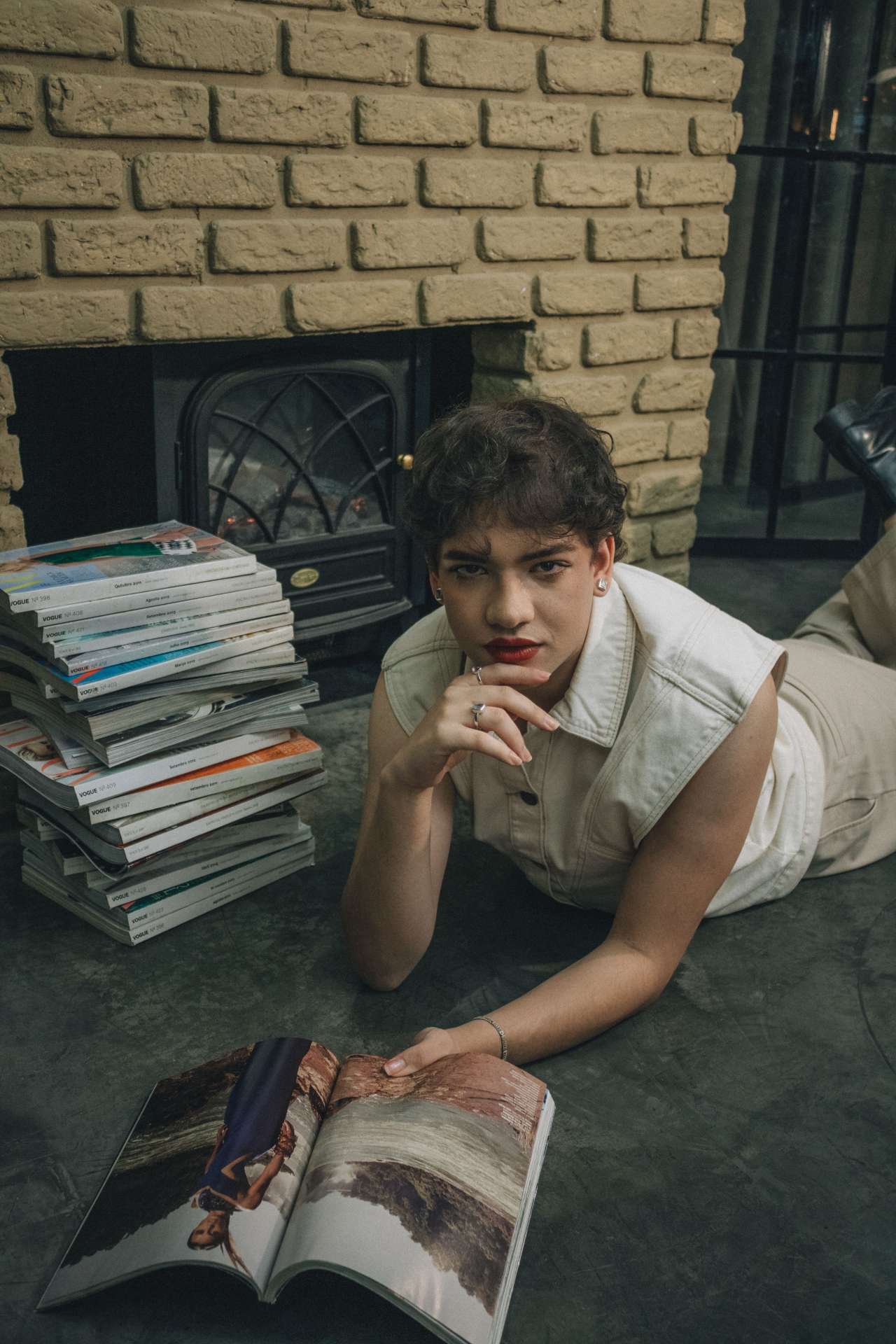
Europe's largest magazine for lesbian, gay, bi and trans women, DIVA, visits Bristol for its latest Autumn issue, available after the August Bank Holiday. They were in the city to sample some lesbian nightlife.
Bristol has never been short of places to dance. The city's reputation has long been built on powerful sound systems and club nights that blur the boundaries between genres, carrying crowds through until daylight. Yet, until recently, there was no dedicated space for sapphic people to enjoy that scene without the nagging sense of being observed. Crave Her has stepped into that gap, and it has sold out every single time it has opened its doors.
The idea began, as so many do, as a familiar conversation between two frustrated people who simply wanted something that didn't exist. Phoebe (she/her) and Lydia (she/they) are partners both at home and on the dancefloor, and they had lost count of the nights spent wishing there was a place truly aimed at their community. That wish would not fade.
Phoebe recalls that they wanted more venues where they could feel secure as a queer couple while raving. Lydia takes it further, explaining that the dream was always to create something centred squarely on women-loving-women and non-binary people. What was once just a chat had become a fully fledged brand by January, and by June the first Crave Her night took place. The whole journey lasted six months - long enough to build something real, but short enough that neither founder could have predicted what happened next: a room sold out, not once, but twice.
Neither Phoebe nor Lydia had any background in events or marketing. They chose to self-finance everything, pouring their own money into the project because they believed in it deeply. Lydia says they simply used their own funds to keep moving forward, driven by conviction. The real fuel, though, came from the community around them. Phoebe describes how people rallied round, each helping in their own way, insisting the venture could never have succeeded without that collective effort.
Some of that help arrived from an unexpected direction. Lydia had just finished a female DJ course with Pirate Studios, and the contacts she made during that time fed straight into the line-up, giving several DJs their very first ever set at Crave Her's launch night. That detail says a lot: this is not a carefully plotted business plan, but a crowd pulling together to make something happen.
What do the pair want revellers to experience? Their answer is instant: euphoria and freedom. Lydia speaks of the beauty of expressing yourself to music inside a rave, describing it as therapeutic in itself, and emphasises how much fuller the experience becomes when the surrounding space feels safe and comfortable. For Phoebe, that sense of liberation is bound up with the people around you. She points out that everyone in the room is like you, and stresses how important it is to keep the event safe and specifically reserved for the community it serves.
The proof of their success is not just in the back-to-back sell-outs. It shows up in the smaller moments: a mother and daughter who came along together and later tagged the founders on TikTok, saying it was the daughter's first rave. It is there in the strangers who swap numbers on the dancefloor and arrange to meet for drinks the next day. Both Phoebe and Lydia admit that they once struggled to find their own community, and say they had previously counted far more gay male friends than queer women. They built the venue they had been missing, and it repaid them with an entire community of their own.
With two sold-out events behind them, the pair are now looking well beyond Bristol. The next instalment moves to a no-phone club-within-a-club with a considerably larger capacity. Longer term, they are dreaming of large-scale events modelled on the likes of Teletech, which has been a source of inspiration. There is talk of teaming up with other queer creatives, launching a residency-led radio show, and even taking over a festival stage or performing at Pride. Meanwhile, requests are already arriving from further afield, including Manchester and Newcastle, both cities with thriving queer scenes of their own.
But scale was never the point. Asked to capture Crave Her in a single sentence, Lydia sets aside growth figures and venue capacities. She describes it simply as a safe space for women and non-binary people to feel completely free, to express themselves in whatever way feels comfortable. Raves, she notes, keep you in the present moment, and that sensory immersion is exactly what Crave Her hopes to offer: a chance to feel present, at ease, and fully at home in both who you are and where you are.
https://www.craveher.uk/
Queerguru, the LGBTQIA arts magazine, meets up with the writers of a new play called Mammy's House, which opens in London soon but explores the AIDS experiences of the Irish Republic during a period when homosexuality was itself illegal. Some...
The Washington Blade is the only LGBTQIA+ newspaper with a correspondent assigned to the White House, who can report...

The Jewish community radio station in North London, KOL, and the Jewish Chronicle Newspaper both report that gay Jewish...